


 Share
Share


Everyone’s watching the big bets – new aircraft, electric flight timelines, carbon removal, and scaling Sustainable Aviation Fuel (SAF).
But the next sustainability battleground isn’t only technology.
It’s paperwork, proof, and pricing.
Because “net zero” is quickly turning into a world of mandates, audits, registries, deadlines, and carbon markets. And the airlines who win won’t just be the ones who act – they’ll be the ones who can prove what they did.
If your sustainability strategy still lives in spreadsheets, email chains, and manual reporting these trends can quietly undermine it. They’re people-heavy, operationally messy, and in some cases come with real financial penalties for non-compliance.
Below are five hidden trends you need on your radar for 2026.
1. SAF: from industry saviour to evidence‑heavy legwork
We knew that SAF was always going to be difficult, but now the real challenge begins.
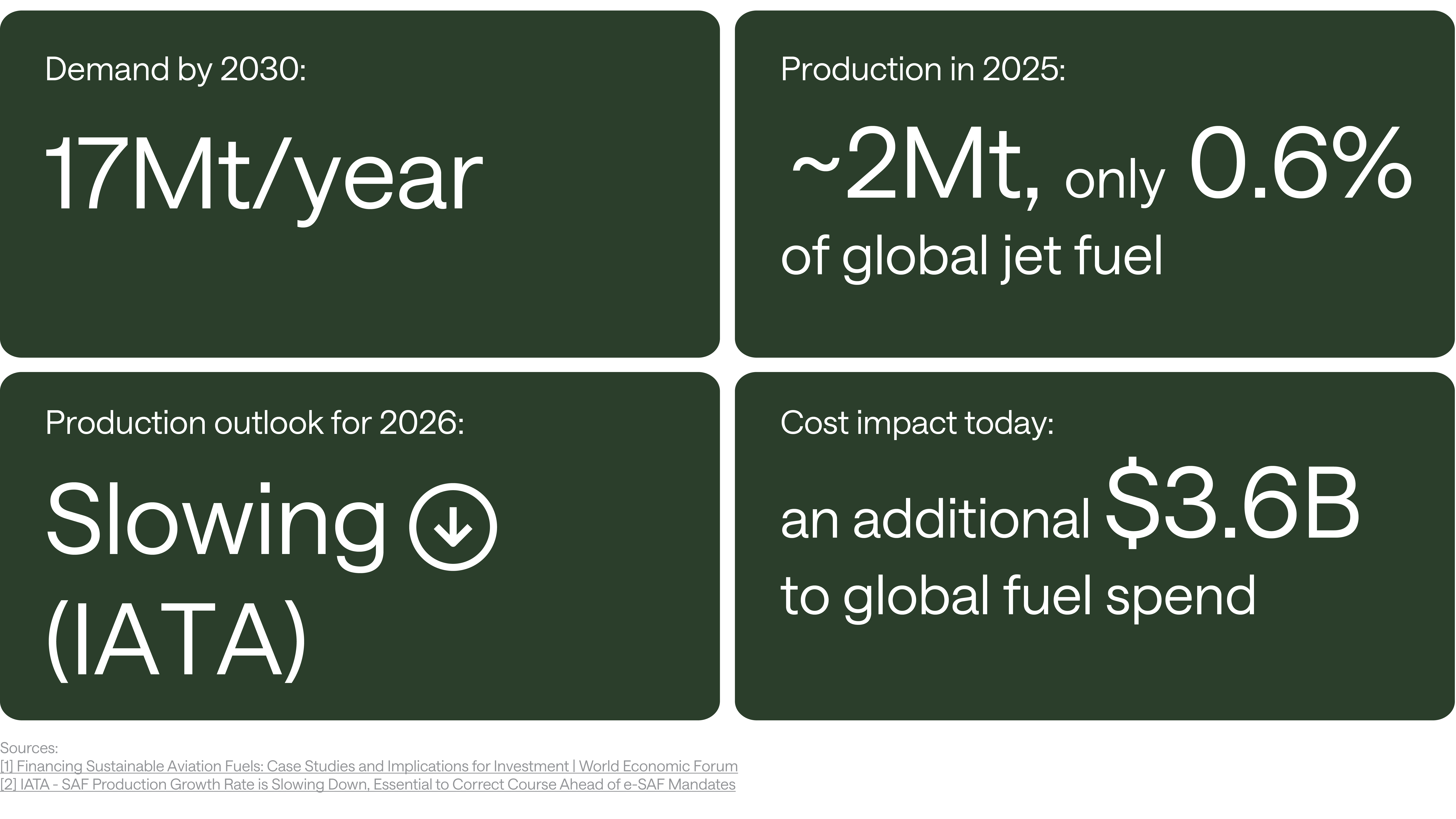
The hidden trend:
The new pressure isn’t volume or price. It’s proof – detailed, end-to-end, auditable evidence for:
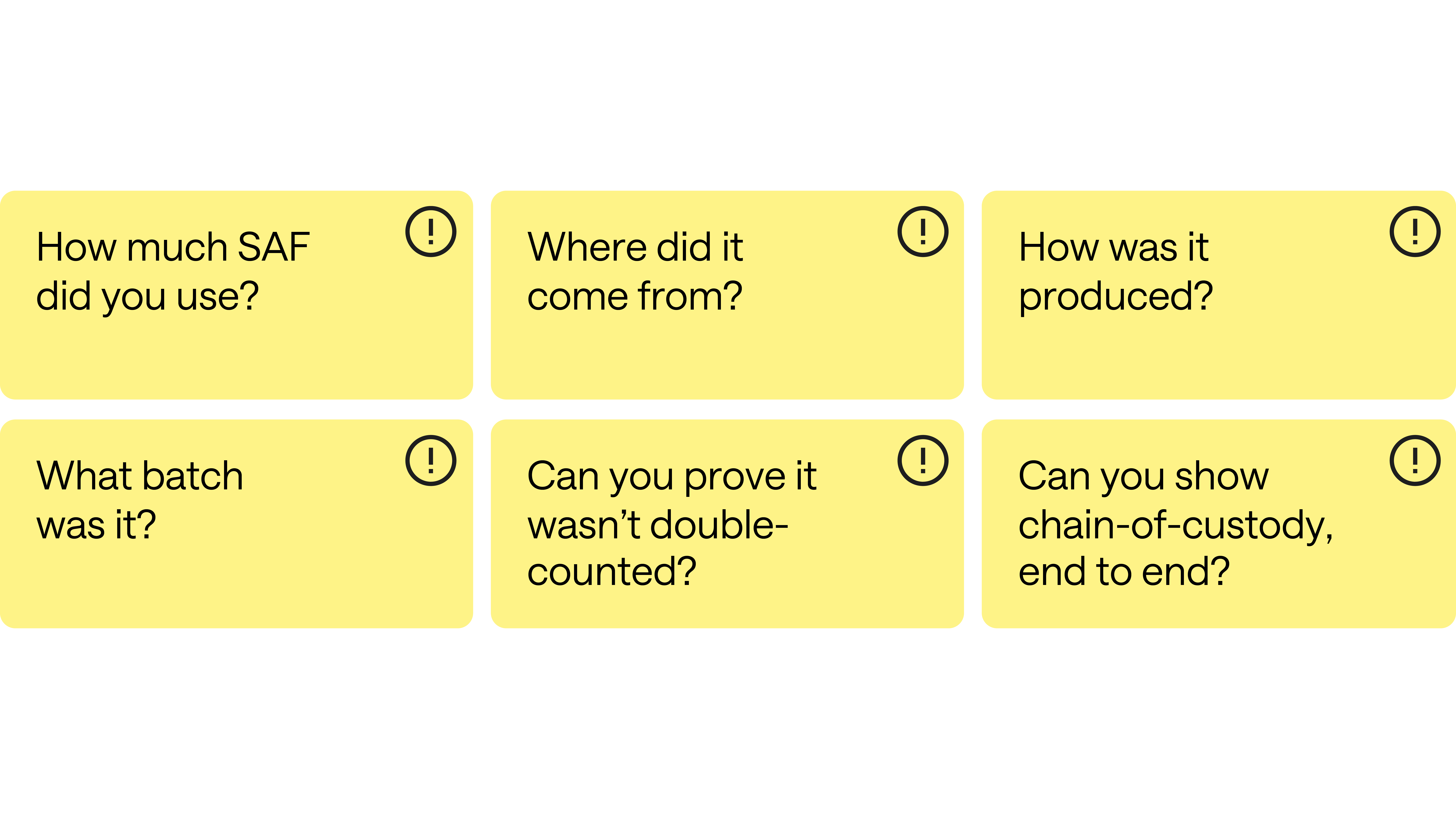
And while we wanted regulations as they create safety, structure and trust, nobody expected the administrative load to swell into a full ecosystem of verifications and audits.
Takeaway:
If your teams can’t track, verify, and reconcile SAF data your strategy collapses.
2026 demands:
- digitized SAF tracking
- unified data across procurement, fuel, and ops
- instant proof generation because “where’s the evidence?” can’t slow you down
2. Carbon Trading: aviation’s accidental Wall Street
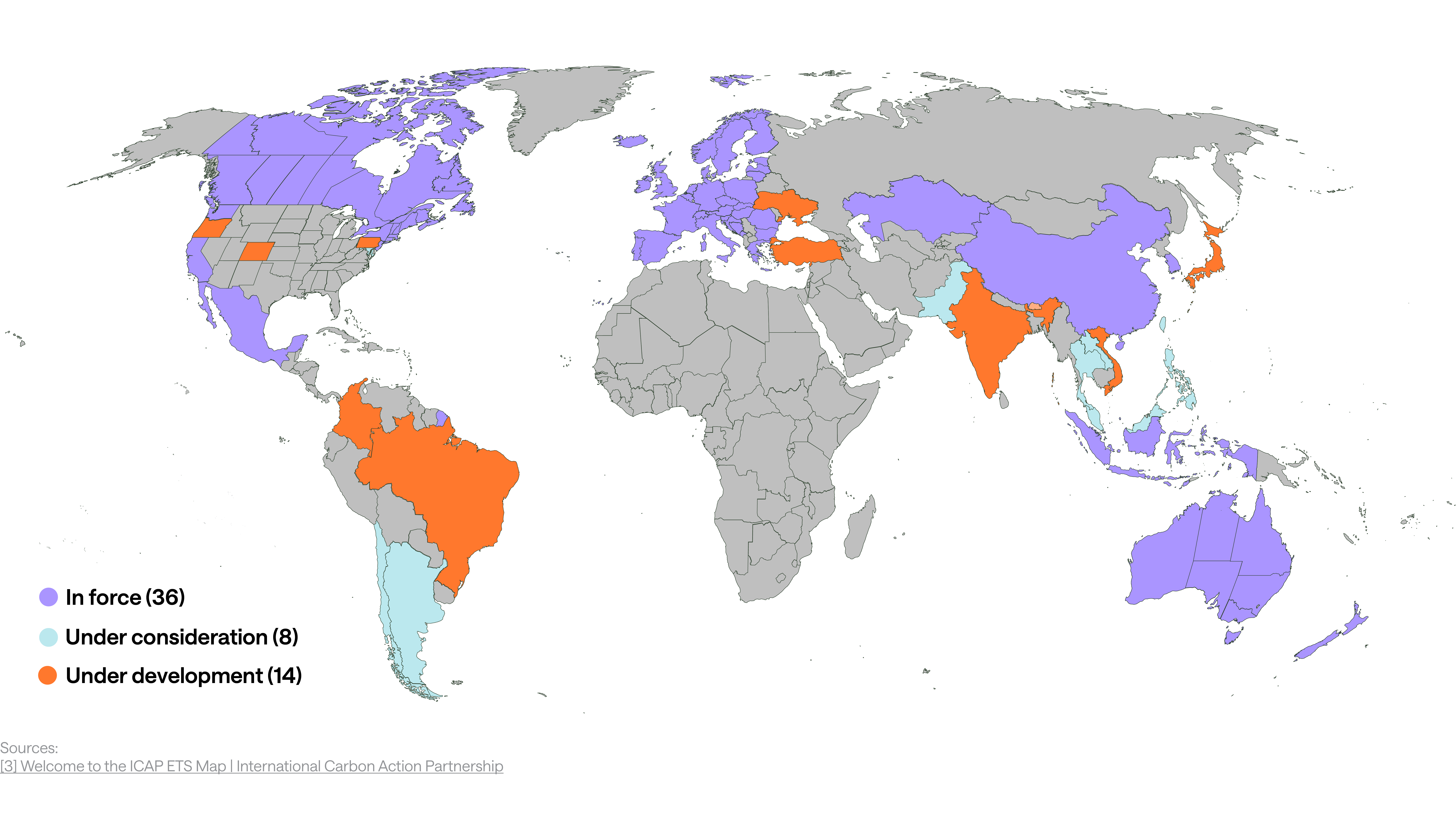
Emission Trading Schemes (ETS) are expanding across the world, each with its own rules, timelines, and cost structures.
Airlines now need to balance:
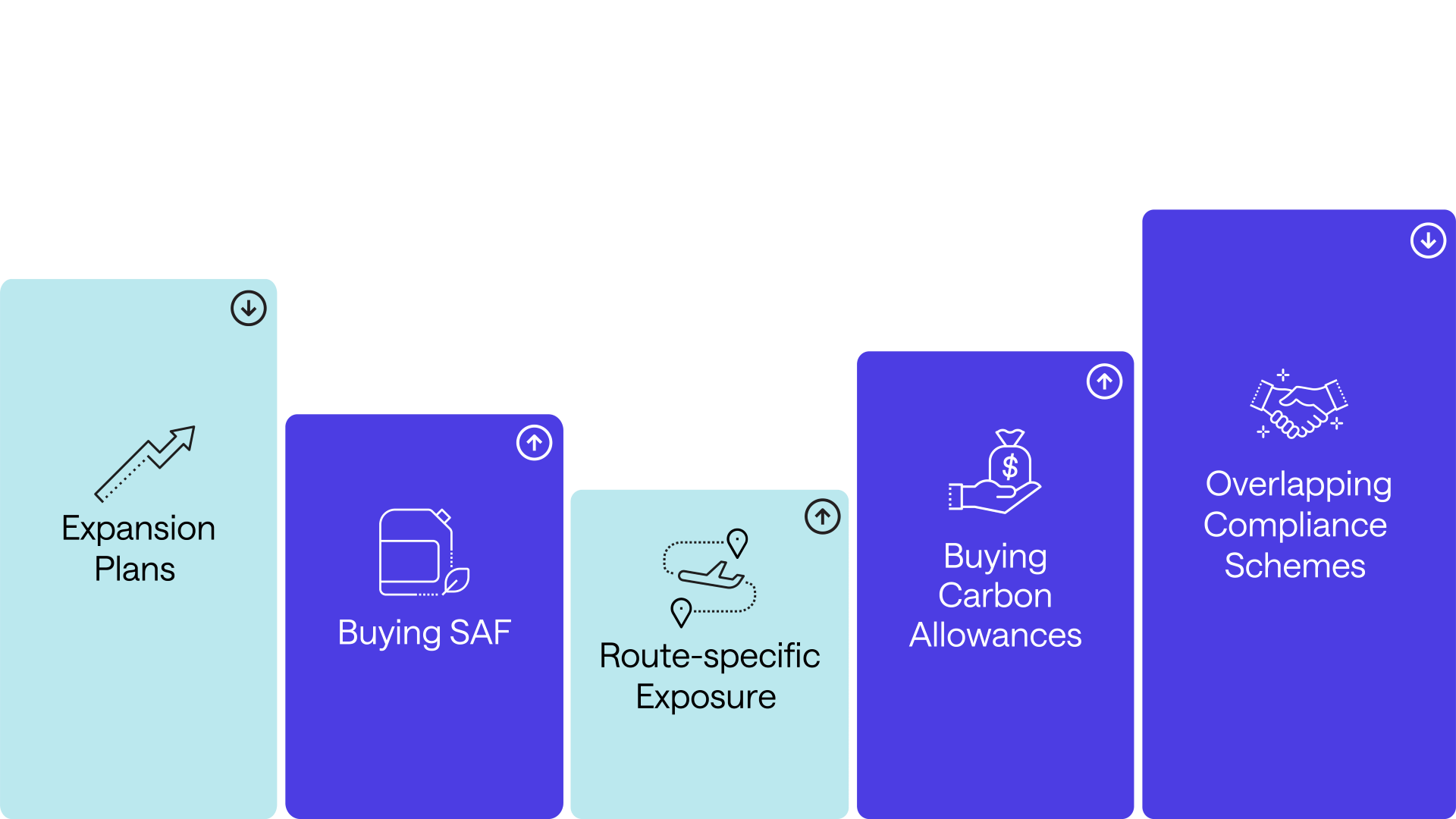
The hidden trend:
While understanding and mapping regulations is still a struggle, the strategic question is simpler: How do you avoid overpaying while still reducing emissions?
This calculation changes every few months as:
- new ETS markets launch
- SAF supply shifts
- prices fluctuate
- incentives kick in
Takeaway:
Manual planning no longer works. You need projections, modelling, and automated scenariobuilding so you can stop firefighting and start planning.
3. Incentives: quietly choosing the winners
Everyone focuses on incentives for SAF producers – tax credits, grants, funding. But airlines are entering their own quiet competition for airport‑level incentives:
- reduced fees
- access to cleaner ground power
- infrastructure funded by local governments
- discounted SAF blends
- renewable energy access
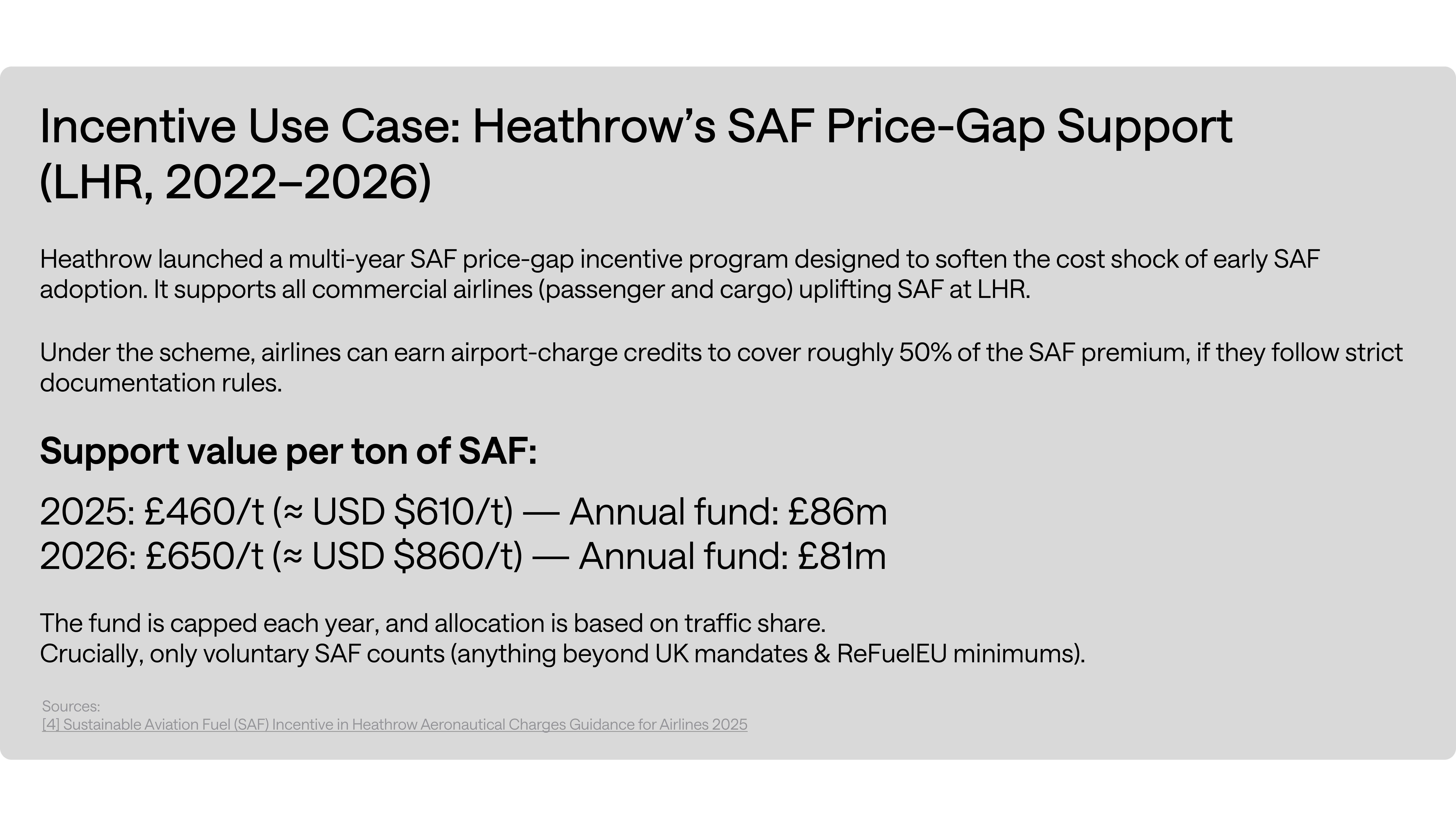
These incentives may look small individually, but collectively they can reshape:
- network decisions
- fuel strategies
- cost structures
- SAF availability
The hidden trend:
Most airlines are unaware of the sustainability incentives available across their wider network. Those who see the full picture have a significant advantage.
Takeaway:
You need incentives mapped against your emissions, SAF supply, and ETS exposure to avoid leaving value on the table.
4. Corporate Travel: becoming an unexpected SAF engine
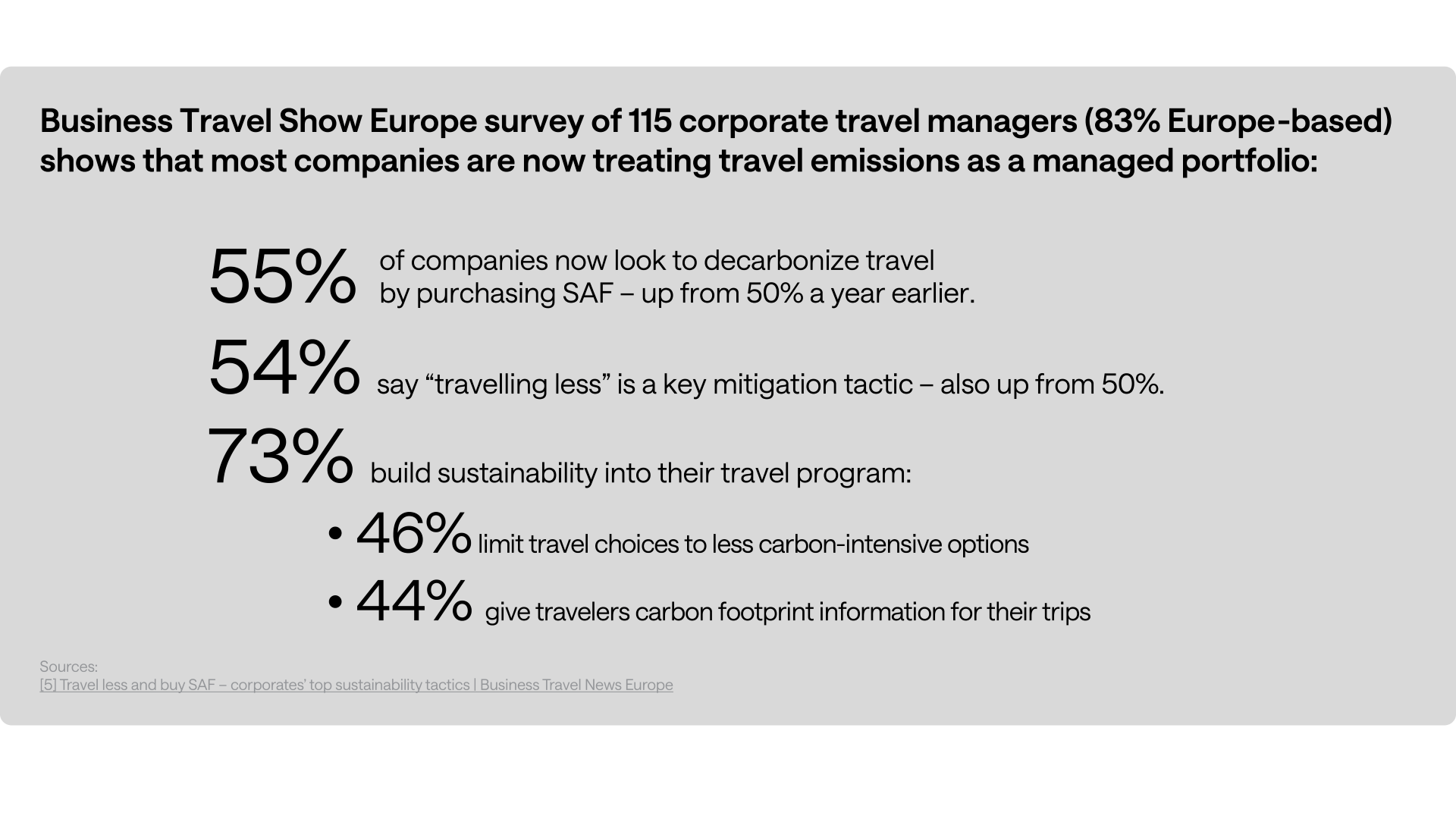
Corporate travel never disappeared and corporates now increasingly fund SAF on behalf of airlines to offset their own travel emissions.
This creates a huge new revenue stream if airlines can make it easy.
The hidden trend:
Corporates want verified, transparent, easy‑to‑access SAF options. They won’t fight through manual or fragmented processes.
Takeaway:
To turn corporate demand into long-term SAF financing, airlines need:
- simple SAF purchase options
- verified reporting
- transparent tracking
- integration into booking and reporting tools
5. Data: the only thing that truly drives sustainability
trend above points to the same underlying truth:
Sustainability = data.
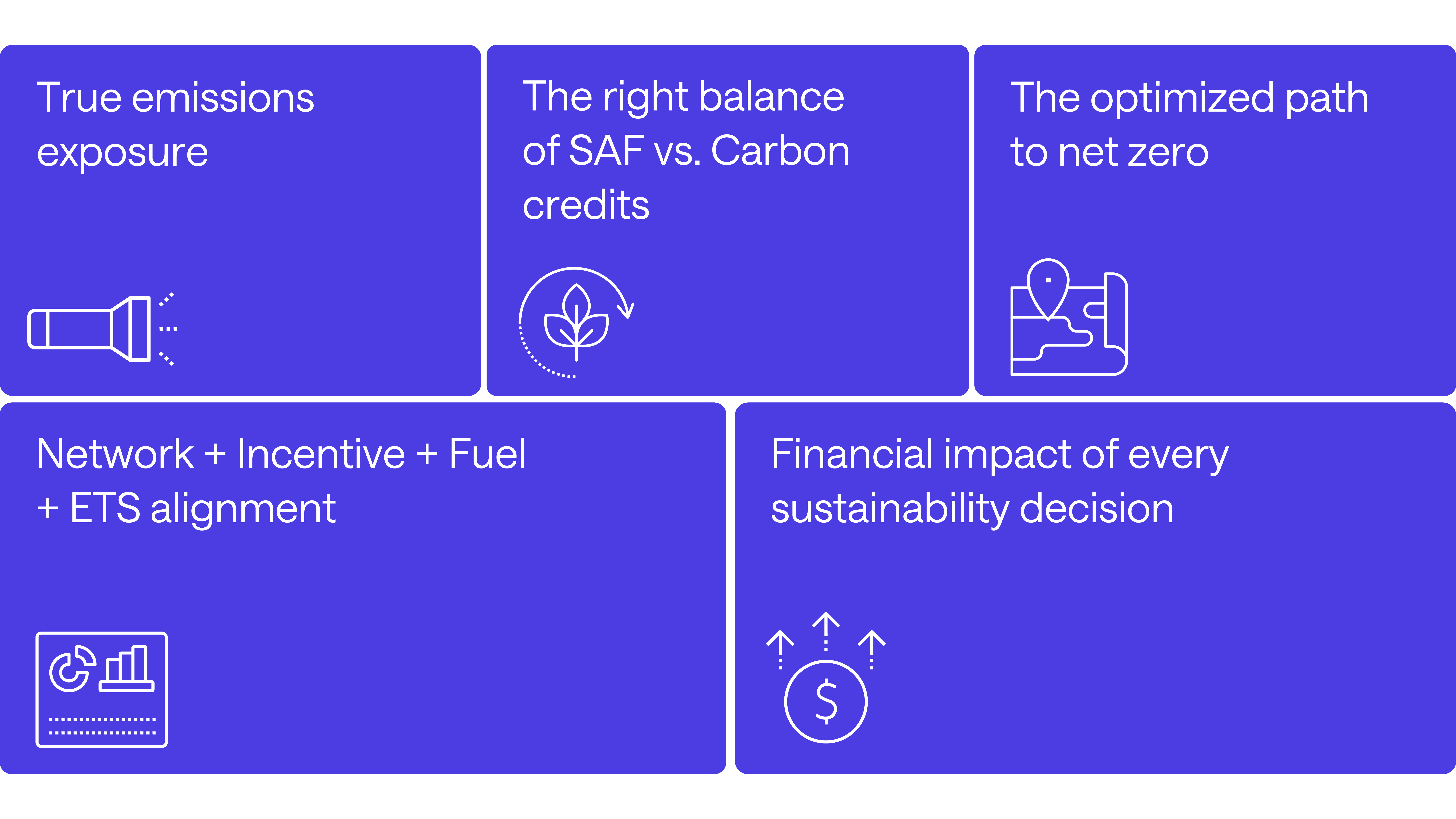
Not a dashboard or a spreadsheet, but a connected, verified, end‑to‑end ecosystem as today’s sustainability questions require multi‑system data:
The hidden trend:
The data lives across dozens of systems, teams, and formats and yet the industry is still expected to answer one simple question: Are we on track?
Takeaway
This is where we can help!
Let’s bring all your sustainability levers into one place so you can focus on strategy, not paperwork, in the Age of Paperwork and Proof.
Sources
- Financing Sustainable Aviation Fuels: Case Studies and Implications for Investment | World Economic Forum
- SAF Production Growth Rate is Slowing Down, Essential to Correct Course Ahead of e-SAF Mandates | IATA
- Welcome to the ICAP ETS Map | International Carbon Action Partnership
- Sustainable Aviation Fuel (SAF) Incentive in Heathrow Aeronautical Charges – Guidance for Airlines 2025
- Travel less and buy SAF – corporates’ top sustainability tactics | Business Travel News Europe