
The numbers that matter
Use of AI
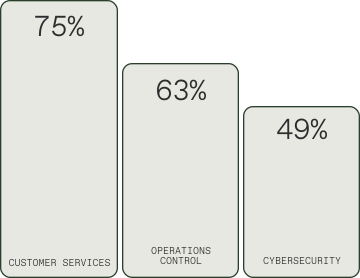
63% of airlines now use AI in operations control.
Top Challenges
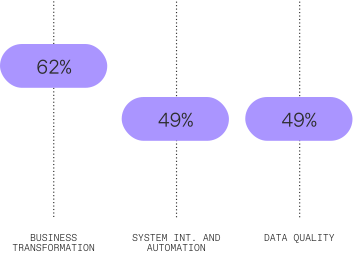
49% cite data integration and consistency as a major barrier
Fleet Renewal
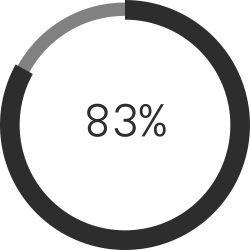
83% have implemented fleet renewal.
Use of AI
63% of airlines now use AI in operations control.
Top Challenges
49% cite data integration and consistency as a major barrier
Fleet Renewal
83% have implemented fleet renewal.
% are based on weighted data so totals may not equal 100% due to rounding.
Airline trends. Explained.
The advantage of knowing

In airline operations, reliability now has a direct impact on the bottom line. At full capacity, small delays spread fast. Costs go up, and everything slows down. That’s why keeping operations stable makes all the difference.

Data integration is what moves aviation forward. And what gets in the way. Airlines rely on many different systems, and when data doesn’t flow between them, decisions slow down. When it does, teams act faster. And operations stay under control.

AI in aviation is moving into operations. It’s now part of how decisions are made. It’s not just handling single tasks anymore. It brings together data from across systems, helping teams act in real time and make better calls.

Cybersecurity in aviation has shifted from protecting individual systems to safeguarding the entire network. Airline systems connect to airports, service providers, and partners. A problem in one area can affect many others. The focus is now on protecting all connected data, not just single systems.
Digital identity in aviation isn’t held back by tech. That’s already in place. The real challenge is coordination - getting airlines, airports, and authorities to use the same data consistently across the journey.
Sustainability in aviation comes from operational control and real-time data sharing. New aircraft help, but the real impact comes from using that data to optimize every flight.
Explore the insights