IT Spend Forecast 2026

IT Spend Forecast 2026

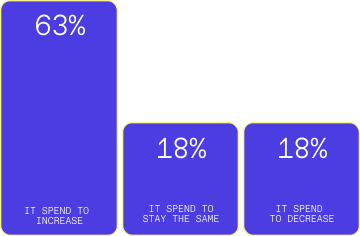
63% of airports plan to increase IT spending.

Use of AI
Use of AI

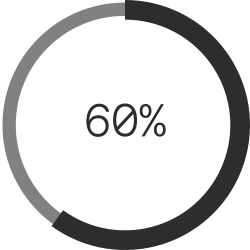
60% use AI in passenger flow management.

Top Improvement
Top Improvement

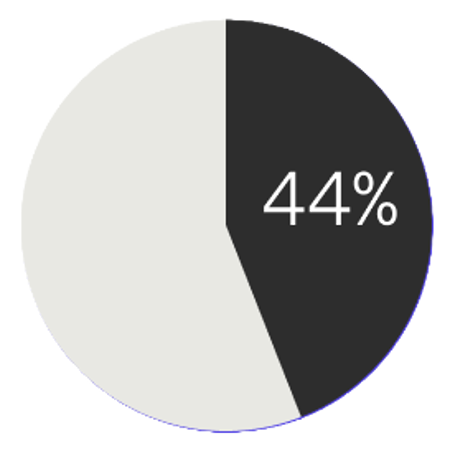
44% cite airline cooperation as the top improvement needed to scale digital identity.

% are based on weighted data so totals may not equal 100% due to rounding.

Airport IT trends. Explained.

Airport IT trends. Explained.

How do we keep passengers moving without breaking the system?

Insight question Airport IT trends. Explained.

With a solid automation foundation. 77% of airports use self-service kiosks, and 63% use automated bag drop. Biometric border control is live at 54% of airports. It’s expected to reach 83% by 2028. A core part of airport digital transformation.

Once automation handles the basics, what’s the next layer?

Insight question Airport IT trends. Explained.

It’s identity. 45% of airports plan to use airline or airport-issued digital identity credentials. That’s up from 27% in 2024.

How do we get everyone on the same page across operations?

Insight question Airport IT trends. Explained.

Data foundations. 48% of airports plan to implement cross-silo data streaming, sharing, or synchronization by 2027.

How can airports use AI to run better operations?

Insight question Airport IT trends. Explained.

Leaders are already investing in AI for prediction and automation. 73% of airports, compared with 90% of airlines. Adoption is taking hold in cybersecurity, passenger flow, and turnaround. Airport tech is advancing but coordinating across systems is still limited.

Where are airports making progress on sustainable aviation?

Insight question Airport IT trends. Explained.

It’s strongest where they control operations directly, energy use and ground activity. 75% use Building Management Systems to monitor and optimize energy in terminals. Broader emissions tracking across multiple stakeholders is still slower to scale.

The advantage of knowing

Airport performance isn’t about capacity anymore. It’s about coordination. Most airports are already full. Keeping things running comes down to real-time data and how well it’s used.

AI adds value by helping airports coordinate in real time and act earlier. It gives teams visibility on queues, delays, and congestion before they build. But it depends on data flowing across systems and partners.

Cyber risk in airports no longer sits in one system. Fragmented data and connected partners mean a problem in one area can affect many others. Keeping operations safe now depends on protecting data across the whole ecosystem.

Commercial performance in airports has shifted. Passenger numbers still matter, but insight matters more. Understanding how people move, dwell, and spend is what drives revenue now.

Digital identity in aviation isn’t held back by tech. That’s already in place. The real challenge is coordination - getting airlines, airports, and authorities to use the same data consistently across the journey.

Sustainability in airport operations comes down to control and shared data. Airports can move faster where they manage both directly. Progress slows when it depends on coordination across many partners.

Explore the insights

Explore the insights

Please provide a few details to access this content instantly. This helps us understand who is engaging with our resources, allowing us to create more relevant insights and industry reports.

Explore the insights download
Required
Required
Required Invalid email format Please use your business email address.
Required
Required
Required
Required
Required
Captcha Required
You may opt out or update your Email preferences at any time. View SITA’s Privacy notice for details about the types of communications we send and how we use your information.